

48V Golf Cart Battery

Power Wherever You Need

Application

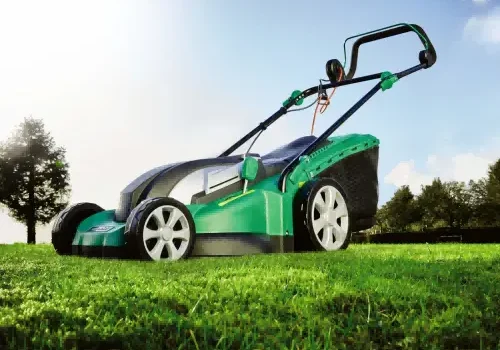
small lawn mower
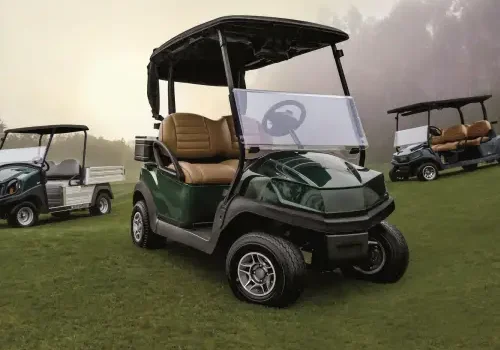
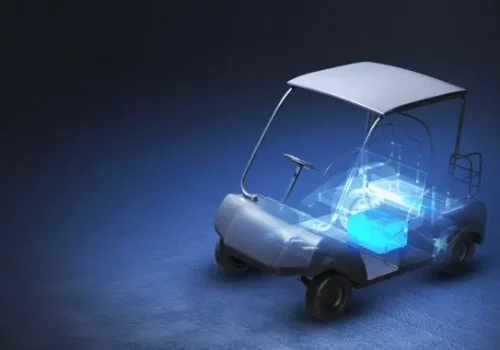
golf cart 2
utv atv lsv

BSLBATT Golf Cart Batteries Advantages

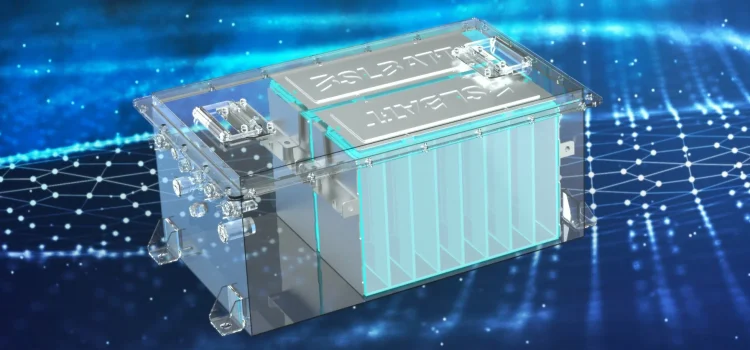
eve 105 cell and bslbatt ccs module 1
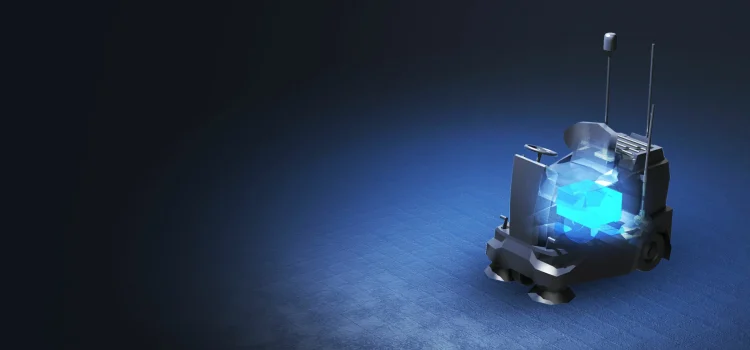
floor cleaning machine
3 1
7
wechat image 20250320174653

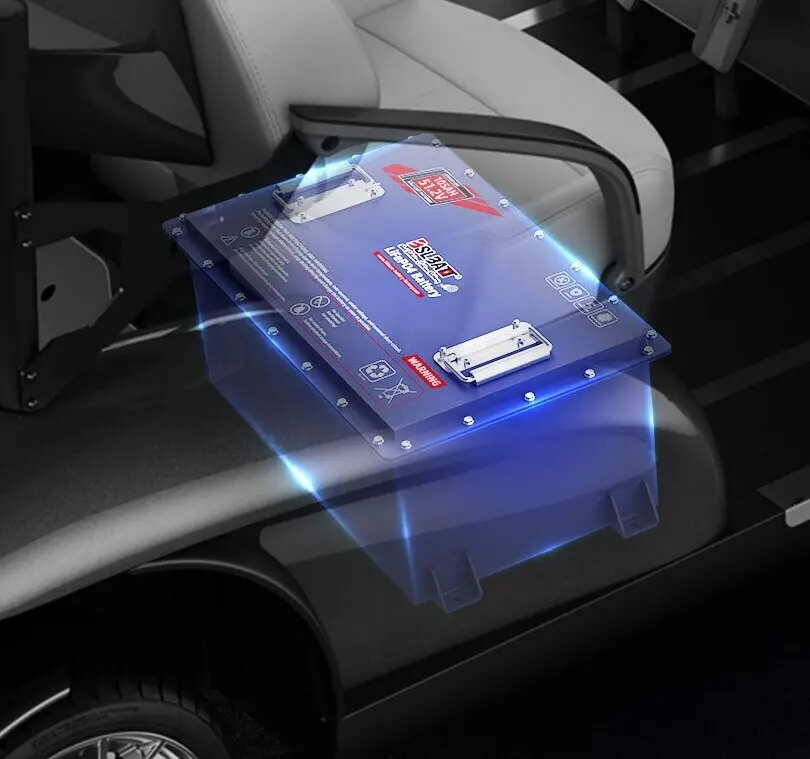
B-LFP48-105GC – Innovative Golf Cart Power with Unmatched Performance

The BSLBATT 51.2V 105Ah Golf Cart LiFePO4 Battery sets a new benchmark in performance, safety, energy efficiency, fast charging, weight reduction, and compact design.

This advanced lithium battery demonstrates BSLBATT’s dedication to innovating cutting-edge battery technology. Its all-in-one design provides reliable, high-efficiency power, delivering consistent performance and superior durability for your golf cart.

bslbatt 48 105 2

Designed for Extreme Weather Conditions

  • Charging Temperature: 32°F–131°F (0°C–55°C)

  • Discharging Temperature: -4°F–131°F (-20°C–55°C)

  • Short-Term Storage (1 month): -4°F–131°F (-20°C–55°C)

  • Long-Term Storage (1 year): 32°F–95°F (0°C–35°C)

Built to perform reliably in a wide range of climates, this battery ensures consistent operation and longevity even under extreme temperatures.

bslbatt 36v 105ah golf cart battery
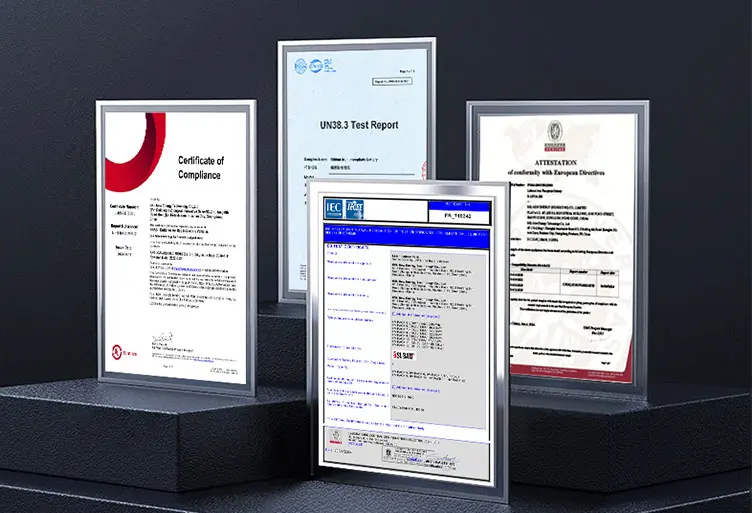
ul ce iec un38 3 certification

Fully Certified: UL, CE, IEC & UN38.3 Compliant

5 year 10 000 hour warranty

Warranty: 5 years or 10,000 operating hours

fast shipping within 28 working days

Standard Lead Time: Within 28 Working Days

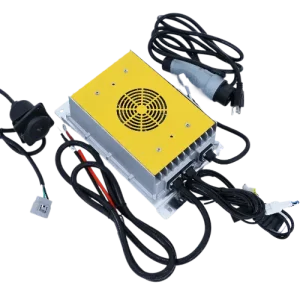
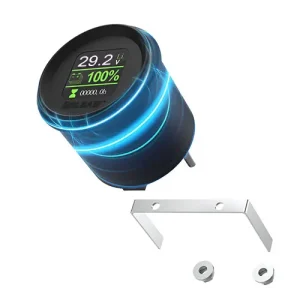
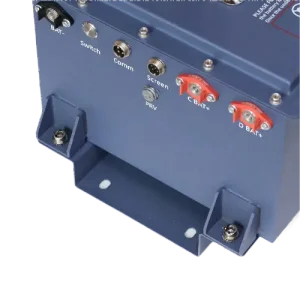
BSLBATT Battery Kit

bslbatt lfp charger

LFP Charger

24v soc

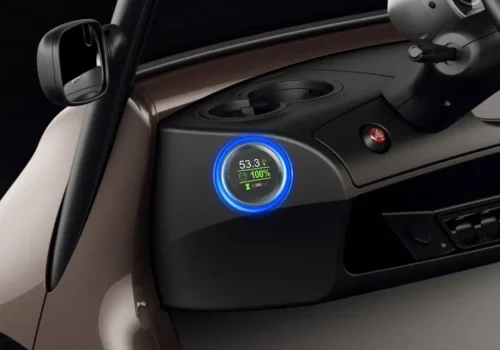
Smart SOC meter

installation bracket

Installation bracket

Product Related FAQs

The main difference between 48V and 51.2V golf cart batteries is the nominal voltage. A 48V battery, commonly used in many golf carts, is created by connecting 4x 12V lead-acid batteries in series. Lithium golf cart batteries, however, offer both 48V and 51.2V configurations. A 48V lithium battery typically has 15x 3.2V cells in series, while a 51.2V battery uses 16x 3.2V cells.

Upgrading to a 51.2V lithium battery provides higher voltage, increased power, improved efficiency, better performance, longer range, and higher output. Before upgrading your golf cart to a lithium battery, always check that your motor and system can handle the increased voltage.

Replacement lithium batteries for golf buggies and carts typically cost between £1,000 and £2,600 for a complete lithium battery system. While the initial investment is higher than traditional lead-acid batteries, lithium batteries are far more cost-effective over their 10-year lifespan.

Lithium golf cart batteries last up to five times longer, require zero maintenance, and offer 15–20% higher charging efficiency. This improved efficiency helps reduce energy costs, and when used across 20–40 golf buggies, the savings significantly shorten the overall payback period.

Yes, you can perform a 48V lithium golf cart battery conversion on most major brands. Upgrading to LiFePO4 (Lithium Iron Phosphate) technology offers a significant weight reduction, faster charge cycles, and a longer battery lifespan of up to 5,000 cycles. Critically, these units provide double the usable power compared to lead-acid batteries because they can be discharged to 100% without damage. This switch also helps reduce charging costs due to higher energy efficiency and lower internal resistance, all while delivering consistent voltage output without the power drop-off common in traditional deep-cycle lead acid batteries.

With proper use, 48V lithium batteries can last 5–10 years, while traditional lead-acid batteries usually last 2–5 years.

No. Using a 48V battery on a 36V motor can damage the motor and controller. Always match the battery voltage to your cart’s original specifications.

A standard 48V golf cart typically uses four 12V batteries connected in series, or six 8V batteries, depending on the design.

0

Subtotal